In today’s hyper-connected world, where virtual meetings, online learning, and content creation are everyday realities, your visual presence matters more than ever. While many laptops come equipped with a built-in camera, these often fall short when it comes to delivering the crisp, vibrant, and professional image you truly deserve. That’s where an External Webcam comes into play, transforming your digital interactions from grainy and forgettable to sharp and impactful. As your dedicated experts at Mundv.com, with over 15 years of hands-on experience in webcam technology, we’re here to guide you through everything you need to know about choosing, using, and optimizing the perfect external webcam to elevate your online experience.
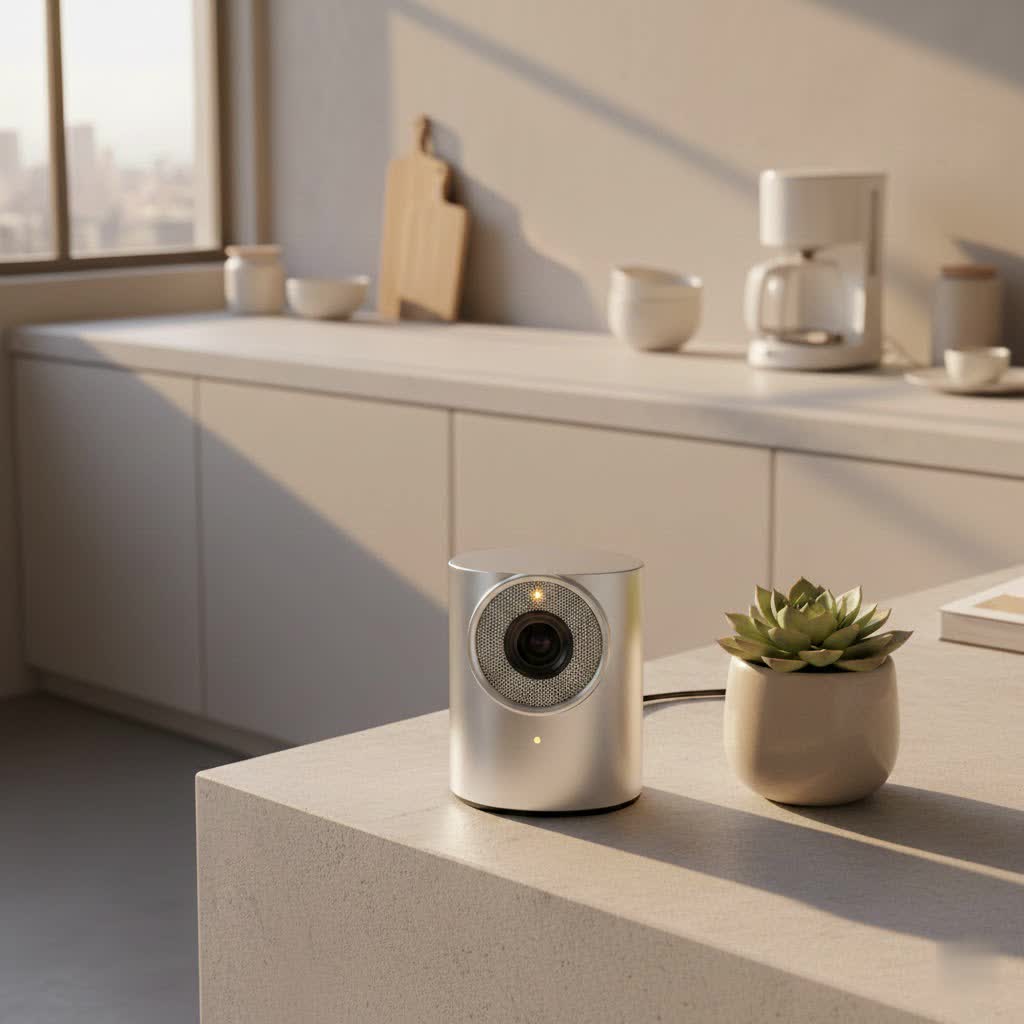
Why Ditch Your Built-in for an External Webcam?
You might be thinking, “My laptop already has a webcam, why do I need another one?” It’s a valid question, but the difference an external webcam makes is often night and day. Think of your built-in camera as a compact, utilitarian tool – it gets the job done, but rarely with flair or optimal performance. An external webcam, however, is a specialized instrument designed for visual excellence.
Superior Image Quality
|
Our Picks for the Best Webcam in 2026
As an Amazon Associate I earn from qualifying purchases.
|
||
| Num | Product | Action |
|---|---|---|
| 1 | EMEET 1080P Webcam with Microphone, C960 Web Cam, 2 Mics, 90° FOV, USB Type-A & A-to-C Adapter, Plug&Play Computer Camera for Online Calling, Zoom/Teams/Facetime, Switch 2 Camera Support, 2025 Version |

|
| 2 | NIVEOLI Webcam 1080P with Microphone & Privacy Cover for PC/Laptop, USB Computer Camera Plug & Play with Auto Light Correction for Video Calls, Live Streaming Gaming & Online Meetings |
|
| 3 | Gohero Full HD 1080P Video Webcam, Noise Cancellation, Privacy Cover, Wide-Angle Lens, Auto Light Correction, Plug & Play USB Webcam for Laptop, Desktop, PC, Mac, Zoom, Skype Pro Series |
|
| 4 | 1080P Full HD Webcam with Noise-Canceling Mic, Auto Light Correction, Privacy Cover and Wide Angle Lens, Plug & Play USB Camera for Laptop/Desktop/PC/Mac, Compatible with Zoom/Skype/Teams/Streaming |
|
| 5 | EMEET C960 4K Webcam for PC, 4K UHD Sony Sensor, PDAF Auto Focus, Dual AI Noise-Cancelling Mics, Auto Light Correction, 73° FOV, Plug&Play Webcam w/Privacy Cover, Works w/Zoom/Teams/Skype/Google Meet |
|
| 6 | Lenovo HD 1080p Webcam (300 FHD)- Black w/ 95° Wide Angle, 360° Rotation Pan & Tilt, Dual Microphones, Privacy Shutter |
|
| 7 | TRAUSI 1080P Webcam with Privacy Cover, Wide-Angle Lens, Noise Cancellation, Plug and Play USB Webcam for Laptop/PC/Desktop |
|
| 8 | Logitech Brio 101 Full HD 1080p Webcam for Meetings, Streaming, Desktop, Laptop, PC - Built-in Mic, Shutter, Works with Zoom, Microsoft Teams, Nintendo Switch 2’s New GameChat Mode, USB-A,-Black |
|
| 9 | Kemeiv 1080P Webcam Microphone and Physical Privacy Cover Computer Webcam, Noise-canceling Microphone, Automatic Light Compensation, Ultra-Wide-Angle Lens for Meetings/Courses/Streaming/Zoom/YouTube |
|
| 10 | AOC 4k Webcam for PC with Microphone, Computer Camera with Noise Cancellation, Privacy Cover, 99° FOV, Plug & Play USB Webcam for Streaming, Conferencing, Zoom, Skype, Facetime, Laptop, PC, Skype |
|
Let’s face it, most built-in laptop cameras are an afterthought, often offering limited 720p resolution and basic sensors. This results in pixelated, washed-out images, especially in less-than-ideal lighting. External webcams, conversely, boast higher-quality components, advanced optics, and superior image processors, delivering resolutions from crisp 1080p Full HD all the way up to stunning 4K Ultra HD. This means sharper details, richer colors, and a truly professional look for your video calls, streams, or recordings.
Crystal-Clear Audio
Visuals are only half the story. Ever been on a call where the audio is muffled or riddled with background noise? Built-in laptop microphones often pick up every tap and hum around you. Many external webcams come equipped with advanced, often noise-canceling, microphones designed to isolate your voice, ensuring you’re heard clearly without distractions. Some even offer stereo sound for an immersive audio experience.
Unmatched Flexibility & Control
This is a game-changer. Your laptop’s webcam is fixed in one spot, limiting your framing options. An external webcam offers incredible flexibility. You can mount it on top of your monitor, attach it to a tripod, or even place it on your desk, allowing you to find the perfect angle to present yourself. Many models feature adjustable arms, tilt, and pan functions, giving you full control over your composition – a far cry from struggling to tilt your entire laptop screen. This adaptability is especially useful for showing objects, whiteboards, or adjusting for group calls.
Better Low-Light Performance
Poor lighting can turn any video feed into a grainy mess. Built-in cameras typically struggle in dim environments due to their smaller image sensors. External webcams are often optimized for low-light conditions, featuring larger sensors and advanced light correction technologies like HDR (High Dynamic Range) to capture more light and produce brighter, clearer images even when your environment isn’t perfectly lit.
Enhanced Privacy
In an age where privacy is paramount, many external webcams offer a simple yet effective solution: a physical privacy shutter. This gives you complete peace of mind, knowing that when you’re not on camera, your lens is physically blocked, preventing any accidental or unauthorized viewing.
Decoding Key Features: What to Look for in an External Webcam
Navigating the vast array of external webcams can feel overwhelming. Let’s break down the essential features to consider so you can make an informed decision that perfectly aligns with your needs.
Resolution: Finding Your Sweet Spot
What is resolution? Resolution refers to the number of pixels in your video, determining its sharpness and detail. Common resolutions include 720p, 1080p, and 4K.
Do you need 4K? While 4K (3840 x 2160 pixels) offers incredibly sharp images, it’s often overkill for most users. Many popular video conferencing platforms like Zoom, Google Meet, and Microsoft Teams currently cap streaming resolution at 1080p. For most everyday video calls, professional meetings, and even basic streaming, a good 1080p (1920 x 1080 pixels) webcam provides excellent quality that’s a significant upgrade from built-in options. If you’re a serious content creator or streamer who demands the absolute highest detail and has the bandwidth and hardware to support it, 4K can be a worthwhile investment.
Frame Rate: Smoothness Matters
What is frame rate? Measured in frames per second (fps), frame rate dictates how smooth your video appears.
Why is it important? A higher frame rate results in more fluid, natural motion. The standard for most webcams is 30fps, which is perfectly adequate for video calls and general use. However, if you’re streaming fast-paced content, gaming, or want exceptionally smooth video, a webcam capable of 60fps at 1080p or even 4K will make a noticeable difference.
Field of View (FOV): See More, Or Just You
What is FOV? Field of View refers to the width of the area your camera can capture, measured in degrees.
How to choose? For a single user presenting themselves, a narrower FOV (e.g., 60-78 degrees) is usually ideal, focusing solely on you. If you frequently conduct group meetings, want to show more of your background, or include a whiteboard, a wider FOV (e.g., 90 degrees or more) is beneficial. Some advanced webcams even offer adjustable FOV settings, allowing you to switch based on the situation.
Autofocus & Auto-Light Correction: Always Look Your Best
What are they? Autofocus ensures you remain sharp and clear even if you move, while auto-light correction dynamically adjusts exposure to compensate for varying lighting conditions.
Are they necessary? Absolutely. These features are crucial for a consistent, high-quality image. Superior models offer faster and more precise autofocus, and robust auto-light correction can significantly improve your video in challenging environments, preventing you from appearing too dark or blown out.
Microphone Quality: Be Heard Clearly
Why focus on the mic? Even with a great picture, poor audio can detract from your message.
What to look for? Look for webcams with built-in noise-canceling microphones to filter out distractions. Some models offer omnidirectional microphones that pick up sound from all directions, great for group settings, while others provide unidirectional mics, ideal for focusing on a single speaker. While external mics often offer the best audio, a good webcam microphone is a significant upgrade from a laptop’s built-in option.
Connectivity: USB-A vs. USB-C
What’s the difference? Most external webcams connect via USB. USB-A is the traditional rectangular port, offering broad compatibility. USB-C is smaller, reversible, and found on newer devices, often providing faster data transfer speeds.
Which one should you choose? Many webcams come with a USB-A connection, sometimes with a USB-C adapter. If you have a modern laptop or desktop, a USB-C native webcam can offer a more seamless and future-proof connection.
Software & Advanced Features: Beyond the Basics
Beyond the core specs, many external webcams come with proprietary software that unlocks advanced capabilities. These can include:
- AI-powered Auto-Tracking: Keeps you perfectly framed as you move.
- Auto-Framing: Automatically adjusts the shot to include everyone present.
- Background Replacement/Blur: Ideal for maintaining privacy or a clean backdrop without a green screen.
- Customizable Video Settings: Fine-tune brightness, contrast, white balance, and more.
These features can significantly enhance your user experience and professionalism.
Choosing the Right External Webcam for Your Needs
The “best” external webcam isn’t one-size-fits-all; it depends entirely on your primary use case.
For Casual Video Calls
If your main use is keeping up with friends and family or occasional informal meetings, a reliable 1080p 30fps webcam with good autofocus and a decent built-in mic will be a fantastic upgrade. Look for plug-and-play simplicity and robust compatibility with popular apps.
For Professional Meetings & Presentations
For serious work, where making a strong impression is key, prioritize a 1080p 60fps or a 4K 30fps webcam with excellent low-light correction and a high-quality, noise-canceling microphone. Features like auto-framing and a wider FOV can be beneficial for team discussions or presentations.
For Streaming & Content Creation
Content creators and streamers demand the best. Opt for a 4K 60fps webcam with a large sensor for superior image quality, advanced low-light performance, and precise autofocus. A wide, adjustable FOV is helpful for dynamic shots, and robust software with customizable settings is a must. Consider models with AI tracking for engaging presentations.
For Travel & Portability
If you’re always on the go, look for compact, lightweight external webcams that are easy to clip on and off your laptop. Prioritize durability and universal compatibility with USB-A or USB-C. Many travel-friendly options still offer excellent 1080p quality.
Setting Up Your External Webcam: A Breeze!
Connecting your new external webcam is usually a straightforward process.
Plug-and-Play Simplicity
Most modern external webcams are designed to be plug-and-play. Simply connect the webcam’s USB cable to an available USB port on your laptop or desktop. Your operating system (Windows, macOS, Linux) will typically recognize the new device automatically.
Software Installation & Configuration
While many webcams work immediately, installing the manufacturer’s recommended software is often advisable. This software typically unlocks advanced features, customizable settings, and firmware updates that can improve performance. Once installed, you can select your external webcam as the default video and audio input within your preferred video conferencing or streaming application.
Troubleshooting Common External Webcam Issues
Even the smoothest setups can hit a snag. Here are a few common issues and quick fixes:
Webcam Not Detected
- Check connections: Ensure the USB cable is fully plugged into both the webcam and your computer. Try a different USB port.
- Restart your computer: Sometimes a simple restart can resolve detection issues.
- Check Device Manager (Windows) or System Information (macOS): Verify if the webcam is listed. If there’s an error, try updating or reinstalling drivers.
Poor Video/Audio Quality
- Check lighting: Ensure you have adequate, consistent lighting. Avoid backlighting.
- Verify resolution/frame rate settings: Make sure your application is set to use the highest quality your webcam supports (e.g., 1080p, 30/60fps).
- Close other applications: Bandwidth-intensive apps can impact performance.
- Update drivers/software: Outdated drivers can lead to performance issues.
- Clean the lens: A dusty lens can cause blurry images.
“Investing in an external webcam isn’t just about getting a better picture; it’s about investing in clearer communication, enhanced professionalism, and the confidence to truly shine in any virtual setting,” says Alex Tran, Senior Webcam & Imaging Specialist at Mundv.com. “The versatility and quality far outweigh the convenience of a compromised built-in camera.”
Frequently Asked Questions
What’s the main benefit of an external webcam over a built-in one?
The primary benefit is significantly superior image and audio quality, along with greater flexibility in positioning, better low-light performance, and often enhanced privacy features.
Do I need to install drivers for an external webcam?
Most modern external webcams are plug-and-play, meaning they work immediately without additional drivers. However, installing the manufacturer’s software often unlocks advanced features and optimization settings.
Can I use my external webcam with multiple computers?
Yes, external webcams are portable and can typically be used with any computer that has a compatible USB port and operating system, allowing you to easily switch between devices.
Is a 4K webcam always better than a 1080p webcam?
Not necessarily for all uses. While 4K offers higher resolution, many common video conferencing platforms don’t support resolutions higher than 1080p. A high-quality 1080p webcam often provides excellent performance without the higher cost or increased processing demands of 4K.
Do external webcams have built-in microphones?
Most external webcams include built-in microphones. These are generally of higher quality and often include noise-canceling features compared to the microphones found in laptops.
How much should I expect to pay for a good external webcam?
Prices vary widely based on features and resolution. You can find solid 1080p options between $60 and $150, while premium 4K webcams with advanced features can range from $150 to $300 or more.
Conclusion
Stepping into the world of external webcams is more than just buying a new gadget; it’s an investment in your digital presence. By understanding the key features and aligning them with your unique needs, you can unlock a level of visual clarity and audio precision that built-in cameras simply can’t match. Whether you’re aiming for crystal-clear video calls, engaging presentations, or professional-grade content creation, an external webcam empowers you to look and sound your absolute best. So go ahead, make the switch, and experience the transformative power of a dedicated external webcam. Share your experiences with us at Mundv.com – we love hearing how you’re optimizing your visual journey!
