Virtual webcam software, often referred to as “fake webcam” software, simulates a physical camera, allowing users to feed pre-recorded videos, static images, screen shares, or enhanced live feeds into applications like Zoom or Microsoft Teams. These tools have evolved significantly over 15 years, transforming online interactions by offering unprecedented flexibility and creativity beyond what a physical camera provides.
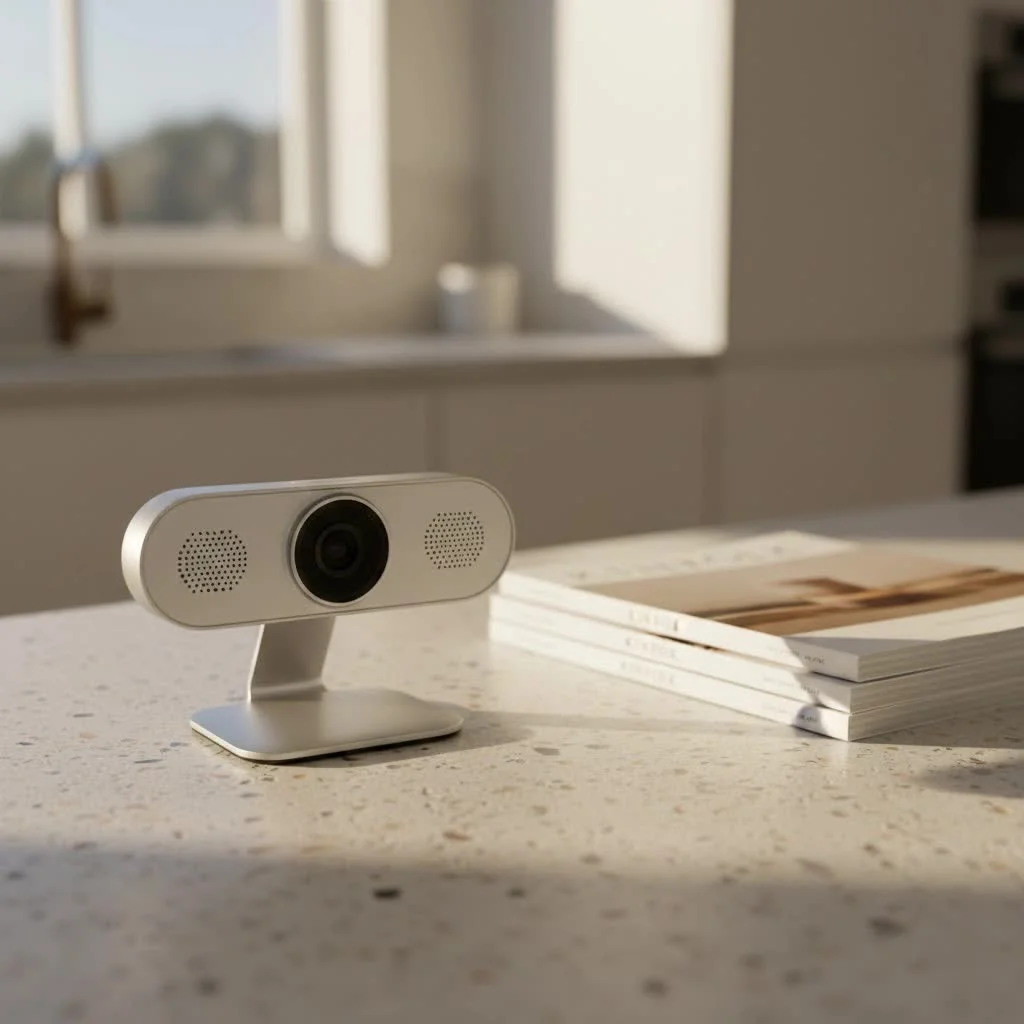
What Exactly is a Virtual Webcam?
A virtual webcam is a software-based solution that emulates a real webcam. It functions as a “virtual camera” that video conferencing applications and web services recognize as a legitimate video input. Instead of transmitting raw footage directly from your physical webcam, this software enables you to input various media into your video stream, including pre-recorded videos, static images, your desktop screen, or even augmented live feeds from your actual camera.
It is important to differentiate this from “fake security cameras,” which are non-functional physical deterrents. Our focus is exclusively on software solutions that actively manage and manipulate your video output for diverse digital purposes.
Why Use Virtual Webcam Software? Unlocking Its Potential
The applications for virtual webcam software are incredibly diverse, addressing needs from enhanced privacy to professional content creation.
Enhanced Privacy and Anonymity
In an era where remote work and online interactions are standard, maintaining your privacy is paramount. A virtual webcam allows you to participate in video calls without revealing your actual surroundings. You can display a static image, a pre-recorded loop of yourself, or a carefully selected virtual background, giving you a sense of control and anonymity. This is especially useful if your environment isn’t ideal for a video call or if you simply prefer not to share your personal space.
improve your Professional Presentations
For professionals, virtual webcams are a major upgrade. Imagine seamlessly integrating lower thirds, custom logos, or pre-recorded video segments directly into your live presentation without ever leaving your video conferencing software. This capability allows for polished, dynamic, and branded presentations that are far more engaging than a simple headshot. You can pre-record demonstrations, switch between different camera angles (even if you only have one physical camera), or use a clean, professional virtual background that masks a cluttered home office.
Unleash Your Creative Side
Beyond the professional sphere, virtual webcam software opens up a world of creative possibilities for streamers, content creators, and casual users alike. Want to add fun filters, animated GIFs, or funny face overlays to your video chat? A virtual webcam makes it easy. You can play pre-recorded videos to entertain friends, showcase creative projects, or even pretend to be somewhere you’re not for a lighthearted prank. The ability to manipulate your video feed makes every online interaction an opportunity for expression.
Overcoming Hardware Limitations
|
Our Picks for the Best Webcam in 2026
As an Amazon Associate I earn from qualifying purchases.
|
||
| Num | Product | Action |
|---|---|---|
| 1 | Lenovo HD 1080p Webcam (300 FHD)- Black w/ 95° Wide Angle, 360° Rotation Pan & Tilt, Dual Microphones, Privacy Shutter |

|
| 2 | Logitech Brio 101 Full HD 1080p Webcam for Meetings, Streaming, Desktop, Laptop, PC - Built-in Mic, Shutter, Works with Zoom, Microsoft Teams, Nintendo Switch 2’s New GameChat Mode, USB-A,-Black |
|
| 3 | NIVEOLI Webcam 1080P with Microphone & Privacy Cover for PC/Laptop, USB Computer Camera Plug & Play with Auto Light Correction for Video Calls, Live Streaming Gaming & Online Meetings |
|
| 4 | Gohero Full HD 1080P Video Webcam, Noise Cancellation, Privacy Cover, Wide-Angle Lens, Auto Light Correction, Plug & Play USB Webcam for Laptop, Desktop, PC, Mac, Zoom, Skype Pro Series |
|
| 5 | EMEET C960 4K Webcam for PC, 4K UHD Sony Sensor, PDAF Auto Focus, Dual AI Noise-Cancelling Mics, Auto Light Correction, 73° FOV, Plug&Play Webcam w/Privacy Cover, Works w/Zoom/Teams/Skype/Google Meet |
|
| 6 | Kemeiv 1080P Webcam Microphone and Physical Privacy Cover Computer Webcam, Noise-canceling Microphone, Automatic Light Compensation, Ultra-Wide-Angle Lens for Meetings/Courses/Streaming/Zoom/YouTube |
|
| 7 | EMEET 1080P Webcam with Microphone, C960 Web Cam, 2 Mics, 90° FOV, USB Type-A & A-to-C Adapter, Plug&Play Computer Camera for Online Calling, Zoom/Teams/Facetime, Switch 2 Camera Support, 2025 Version |
|
| 8 | AOC 4k Webcam for PC with Microphone, Computer Camera with Noise Cancellation, Privacy Cover, 99° FOV, Plug & Play USB Webcam for Streaming, Conferencing, Zoom, Skype, Facetime, Laptop, PC, Skype |
|
| 9 | TRAUSI 1080P Webcam with Privacy Cover, Wide-Angle Lens, Noise Cancellation, Plug and Play USB Webcam for Laptop/PC/Desktop |
|
| 10 | 1080P Full HD Webcam with Noise-Canceling Mic, Auto Light Correction, Privacy Cover and Wide Angle Lens, Plug & Play USB Camera for Laptop/Desktop/PC/Mac, Compatible with Zoom/Skype/Teams/Streaming |
|
Sometimes, a physical webcam isn’t available, or you might want to use a video source that isn’t typically recognized as a standard webcam, such as an HDMI camera feed. Virtual webcam software bridges this gap, treating almost any video input as if it were a standard webcam. For Windows users, who often face device exclusivity issues where a physical webcam can only be used by one application at a time, a virtual webcam can duplicate the feed, allowing simultaneous use across multiple applications.
How to Set Up Your Own Virtual Webcam (Using OBS Studio)
OBS Studio (Open Broadcast Software) is a popular, free, and open-source tool for creating a virtual webcam. Here’s a simplified guide to get you started:
- Download and Install OBS Studio: Visit the official OBS Project website and download the installer for your operating system.
- Add Your Video Source(s): In OBS, click the ‘+’ icon under the “Sources” box. You can add a “Video Capture Device” for your physical webcam, a “Media Source” for pre-recorded videos, “Image” for static pictures, or “Display Capture” for screen sharing.
- Arrange Your Scene: Position and resize your sources within the preview window to create your desired layout. You can also create multiple “Scenes” with different configurations, such as one for your face and another for a presentation slide.
- Enable the Virtual Camera: For OBS Studio 28.0 and above, click the “Start Virtual Camera” button in the main OBS control area. For older OBS versions or if a plugin is needed, install the OBS Virtual Cam plugin, then right-click on your video capture device source, add an “Effect Filter,” choose “Virtual Cam,” and click “Start.”
- Select in Your Application: Open your desired video conferencing or streaming application (e.g., Zoom, Teams, Discord). Go to its video settings and select “OBS Virtual Camera” (or a similar name like “Streamlabs OBS Virtual Webcam” if using Streamlabs) as your camera input.
Expert Tip: When looping pre-recorded videos, record a longer clip (e.g., 3 minutes) to make the loop transition less noticeable, enhancing the illusion of real-time presence. You can also set up scenes to quickly switch between a live feed and a pre-recorded one in real-time.
Navigating the Nuances: Potential Pitfalls and Considerations
While virtual webcams offer incredible utility, it’s wise to be aware of certain aspects:
- Platform Detection and Policies: Some platforms, particularly those with strict moderation like certain chat or dating services, have developed mechanisms to detect and potentially ban users employing virtual webcams or virtual audio devices. Always review the terms of service for any platform you use.
- Maintaining Authenticity: The goal is often to appear natural. Short, repetitive video loops or poorly integrated effects can sometimes be detected by discerning viewers, diminishing the intended effect.
- Performance Impact: Running virtual webcam software, especially with multiple effects or high-resolution video sources, can consume system resources. Ensure your computer has sufficient processing power to avoid choppiness or distortion in your feed.
As Maria Rodriguez, a seasoned AV technologist, aptly puts it, “Virtual webcam solutions are not about deception, but about empowerment. They allow users to curate their digital self with precision, whether for professional clarity or creative flair, responsibly enriching every online interaction.”
Conclusion
In an increasingly virtual world, mastering your digital appearance is no longer a luxury but a necessity. Virtual webcams provide an invaluable toolkit for anyone looking to enhance their online presence, protect their privacy, or unleash their creative potential. By understanding how these tools work and applying them thoughtfully, you can transform ordinary video calls into extraordinary experiences. So go ahead, experiment, innovate, and take full control of how you’re seen online – safely, effectively, and with a touch of Mundv expertise.
Get our weekly buyer guide
Practical specs, not advice. Unsubscribe anytime.
I’ve been using virtual webcam software for my online teaching for a few months now, and it’s a game-changer. Being able to feed pre-recorded videos into my Zoom classes has made my lessons so much more engaging. It’s really helped me keep my students’ attention, especially with complex topics where I can’t be fiddling with screen shares live. Highly recommend for anyone doing presentations or teaching online.
I tried one of these ‘fake webcam’ tools to share my screen more easily in Teams meetings, but I found the setup a bit clunky. It took a while to get it recognized properly as a legitimate video input, and sometimes the frame rate felt a little off when I was trying to show fast-moving content. It works, but there’s definitely a learning curve and some minor performance hiccups.
This software has totally transformed my online interactions. I love being able to use static images as my background without needing a green screen, and the augmented live feeds are a lot of fun for casual calls. It’s so much more flexible than just relying on my physical camera, and it makes me feel more professional even when I’m just working from home.
As someone who does a lot of client presentations, the ability to feed enhanced live feeds into my applications is invaluable. It allows me to add branding and overlays seamlessly, which really elevates my professional presence. It’s amazing how much these tools have evolved over the years; they’re truly essential for anyone serious about their digital presence.