Ever found yourself dreaming of the ocean’s calming rhythm, the soft sand between your toes, or wondering if the waves are just right for a surf session? What if you could experience that feeling, or get that crucial information, with just a click? That’s the magic of a beach webcam. These incredible devices have revolutionized how we connect with our favorite coastal spots, offering a live, unfiltered peek into beachfront life, no matter where you are. As someone who has spent over 15 years knee-deep in webcam technology and a content creator for Mundv.com, I can tell you that understanding these tools is key to unlocking a world of breathtaking views and practical insights.
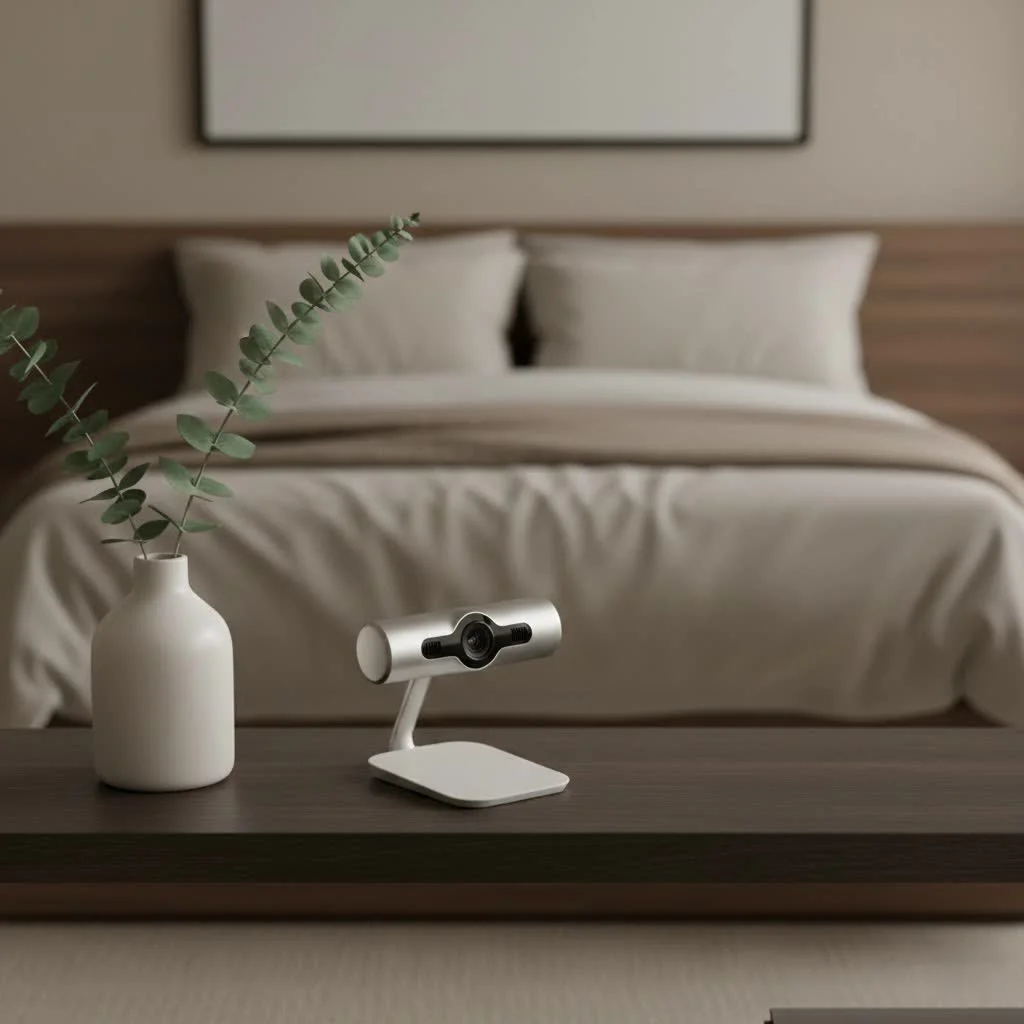
This isn’t just about watching pretty pictures; it’s about empowering you to make informed decisions, whether you’re planning a vacation, checking local conditions, or simply unwinding with a virtual escape. We’ll dive deep into why beach webcams are indispensable, how to pick the right one, set it up for optimal performance, and even troubleshoot common hiccups, ensuring your view of the shore is always picture-perfect.
Why You Need a Beach Webcam in Your Life
A beach webcam isn’t merely a gadget; it’s a portal. It offers a tangible connection to the coast, bringing the ocean’s dynamic beauty right to your screen. From the practical to the purely pleasurable, the benefits are vast and varied, touching everyone from casual observers to keen adventurers.
The Ultimate Weather and Surf Report
Forget static forecasts that might be hours old. With a live beach webcam, you get real-time weather conditions, from sudden showers to glorious sunshine. Surfers, this is your holy grail! You can check wave height, swell direction, wind speed, and tide conditions the moment you think about hitting the water. This immediate access allows you to plan your day, or even your entire trip, around optimal conditions, ensuring you never miss that perfect wave or a sunny spot on the sand. It’s like having a personal scout reporting back from the shoreline.
Your Personal Window to Paradise
Life gets busy, and sometimes a physical escape to the beach just isn’t possible. This is where the virtual magic happens. A beach webcam offers a serene escape, allowing you to “visit” your favorite beach or discover new ones from the comfort of your home or office. Imagine sipping your morning coffee while watching a Hawaiian sunrise, or unwinding after a long day with the gentle lapping of waves from a Caribbean shore. It’s a powerful way to de-stress, dream, and maintain a connection to nature, even when miles away.
Smart Travel Planning Made Easy
|
Our Picks for the Best Webcam in 2026
As an Amazon Associate I earn from qualifying purchases.
|
||
| Num | Product | Action |
|---|---|---|
| 1 | EMEET C960 4K Webcam for PC, 4K UHD Sony Sensor, PDAF Auto Focus, Dual AI Noise-Cancelling Mics, Auto Light Correction, 73° FOV, Plug&Play Webcam w/Privacy Cover, Works w/Zoom/Teams/Skype/Google Meet |

|
| 2 | AOC 4k Webcam for PC with Microphone, Computer Camera with Noise Cancellation, Privacy Cover, 99° FOV, Plug & Play USB Webcam for Streaming, Conferencing, Zoom, Skype, Facetime, Laptop, PC, Skype |
|
| 3 | NIVEOLI Webcam 1080P with Microphone & Privacy Cover for PC/Laptop, USB Computer Camera Plug & Play with Auto Light Correction for Video Calls, Live Streaming Gaming & Online Meetings |
|
| 4 | EMEET 1080P Webcam with Microphone, C960 Web Cam, 2 Mics, 90° FOV, USB Type-A & A-to-C Adapter, Plug&Play Computer Camera for Online Calling, Zoom/Teams/Facetime, Switch 2 Camera Support, 2025 Version |
|
| 5 | 1080P Full HD Webcam with Noise-Canceling Mic, Auto Light Correction, Privacy Cover and Wide Angle Lens, Plug & Play USB Camera for Laptop/Desktop/PC/Mac, Compatible with Zoom/Skype/Teams/Streaming |
|
| 6 | Logitech Brio 101 Full HD 1080p Webcam for Meetings, Streaming, Desktop, Laptop, PC - Built-in Mic, Shutter, Works with Zoom, Microsoft Teams, Nintendo Switch 2’s New GameChat Mode, USB-A,-Black |
|
| 7 | Lenovo HD 1080p Webcam (300 FHD)- Black w/ 95° Wide Angle, 360° Rotation Pan & Tilt, Dual Microphones, Privacy Shutter |
|
| 8 | Gohero Full HD 1080P Video Webcam, Noise Cancellation, Privacy Cover, Wide-Angle Lens, Auto Light Correction, Plug & Play USB Webcam for Laptop, Desktop, PC, Mac, Zoom, Skype Pro Series |
|
| 9 | Kemeiv 1080P Webcam Microphone and Physical Privacy Cover Computer Webcam, Noise-canceling Microphone, Automatic Light Compensation, Ultra-Wide-Angle Lens for Meetings/Courses/Streaming/Zoom/YouTube |
|
| 10 | TRAUSI 1080P Webcam with Privacy Cover, Wide-Angle Lens, Noise Cancellation, Plug and Play USB Webcam for Laptop/PC/Desktop |
|
Planning a vacation can be stressful, especially when you’re unsure what to expect. A beach webcam is an invaluable travel companion. Before you pack your bags, you can scope out potential destinations, assess crowd levels, and get a true feel for the ambiance of a resort or attraction. Want to know if that bustling boardwalk is worth the hype or if a secluded cove lives up to its tranquil reputation? A quick glance at a live stream can provide more insight than a hundred glossy brochures. This firsthand view helps you manage expectations and ensures your travel plans lead to genuine enjoyment.
A Boost for Local Businesses and Tourism
Beyond personal use, beach webcams are a powerful marketing tool for coastal businesses and tourism boards. By showcasing live, inviting scenes, these cameras can attract new visitors to hotels, restaurants, and attractions. A vibrant, sun-drenched beach with gentle waves or a lively boardwalk can entice viewers to become real-life customers. For areas aiming to boost their tourism, a strategically placed beach webcam can act as a constant, compelling advertisement, drawing eyes and interest from around the globe.
Choosing the Perfect Beach Webcam: What to Look For
Selecting the right beach webcam for your needs isn’t as simple as grabbing the first one you see. The harsh coastal environment demands specific features to ensure longevity and consistent performance. Here’s what my years of experience tell me are the non-negotiables:
Durability and Weatherproofing
A beach environment is tough. Salt spray, strong winds, relentless sun, and sudden downpours can quickly destroy standard equipment. You need a camera built to withstand it all. Look for an IP (Ingress Protection) rating of at least IP66, which signifies strong protection against dust and powerful water jets. Even better, opt for IP67 or IP68 for submersion protection, just in case. Materials like marine-grade aluminum and UV-resistant plastics are crucial for fighting corrosion and degradation.
Crystal-Clear Vision
What’s the point of a beach webcam if the view is blurry or pixelated? High-definition (HD) resolution is a must, with 1080p being a good baseline and 4K offering truly stunning detail. Consider features like optical zoom for focusing on distant waves or wildlife, and a wide-angle lens to capture the expansive beauty of the coastline. Good low-light performance is also essential for capturing those magical sunrises and sunsets.
Powering Your Coastal View
Reliable power is critical for 24/7 streaming. Power over Ethernet (PoE) is often the preferred choice, as it delivers both power and data through a single cable, simplifying installation and reducing clutter. If running cables isn’t feasible, look for cameras compatible with solar panels for sustainable, off-grid power, or robust outdoor-rated AC adapters. Ensure your chosen power solution can handle the elements as well as the camera itself.
Connectivity is Key
A beach webcam needs a robust internet connection to stream smoothly. Ethernet connections generally offer the most stable and reliable data transfer, crucial for uninterrupted live feeds. If wireless is your only option, invest in a strong outdoor-rated Wi-Fi extender to ensure a consistent signal. For remote locations without broadband, some advanced cameras can utilize 4G/LTE cellular data, often with a dedicated SIM card. Always consider a backup connection if possible to minimize downtime.
Setting Up Your Beach Webcam: A Step-by-Step Guide
Once you’ve got your ideal beach webcam, the next step is getting it up and running smoothly. This process involves careful planning and execution to ensure maximum impact and minimal fuss.
Strategic Placement for the Best Views
Placement is paramount. You want a clear, unobstructed view of the beach, but also consider factors like glare from the sun (especially at sunrise/sunset) and potential obstructions. Mounting the camera high, perhaps on a sturdy pole or building, can offer a panoramic perspective and keep it out of reach from tampering. Ensure the mount itself is strong enough to withstand strong winds and vibrations, as a shaky camera will result in a poor viewing experience.
The Power and Network Connection
Whether you choose PoE, solar, or AC power, ensure all connections are properly secured and weatherproofed. If using PoE, run your Ethernet cable securely to your router. For Wi-Fi, test the signal strength at the intended mounting location before final installation. If a solar panel is involved, position it for maximum sun exposure throughout the day. “A stable power supply and robust network are the backbone of any reliable outdoor camera system,” advises Dr. Elena Petrova, a veteran of environmental monitoring solutions. “Without them, even the best camera is just a fancy paperweight.”
Getting Online: Streaming Platforms
After connecting the camera, you’ll need a platform to host your live stream. Many outdoor webcams come with their own dedicated apps or cloud services. Alternatively, you can use third-party streaming services that specialize in hosting 24/7 camera feeds. This is where you configure resolution, bitrate, and embed the stream onto your website or social media channels. A Content Delivery Network (CDN) is highly recommended, especially if you anticipate high viewer traffic, as it ensures your stream loads quickly and reliably for audiences worldwide.
Security First!
Never overlook security. The moment your beach webcam is online, it’s potentially exposed. Always change default passwords to strong, unique ones. Enable any available encryption for your video feed. Regularly update the camera’s firmware to patch security vulnerabilities. Restrict access to your camera’s settings through your network, and consider setting up a dedicated guest network if visitors need to access the feed. These steps protect not only your camera but also your network from unwanted intrusion.
Troubleshooting Common Beach Webcam Woes
Even the best beach webcam can encounter issues. From fuzzy images to connection drops, knowing how to diagnose and fix common problems can save you a lot of frustration and keep your idyllic beach view uninterrupted.
Fuzzy Footage and Poor Quality
Is your crystal-clear ocean view suddenly looking like a watercolor painting? First, check the lens. Salt spray, dust, and even bird droppings can accumulate and obscure the view. Gently clean it with a soft, dry cloth. Next, ensure your internet connection is strong and stable; a weak signal often degrades video quality. Outdated camera firmware or software drivers can also be culprits, so check for and install any available updates. Finally, lighting plays a huge role. If the image is too dark or washed out, experiment with your camera’s brightness, contrast, and exposure settings.
Connectivity Conundrums
The most common issue I see is a beach webcam that just won’t connect. Start with the basics: Is the camera powered on? Are all cables securely plugged in? If it’s a Wi-Fi camera, is the signal strong enough, and is it connected to the correct network? Sometimes, a simple restart of the camera and your router can resolve temporary glitches. If issues persist, check your router settings to ensure the camera isn’t being blocked by a firewall or network security settings. Antivirus software on your viewing device can also sometimes interfere, so temporarily disabling it for testing might help identify the problem.
When Your Camera Goes Dark
Nothing is more frustrating than a beach webcam that suddenly stops streaming entirely. If the camera isn’t detected by your network or streaming platform, start by verifying power. Is the power adapter working? Is the PoE injector functioning? Check for any power-saving settings that might be turning the camera off automatically. Corrupted drivers or malware on the device hosting the camera software can also cause it to shut down. Reinstalling drivers or running a security scan can often resolve these deeper issues.
Conclusion
A beach webcam is so much more than a camera; it’s a dynamic tool that offers real-time connection, practical information, and moments of serene escapism. From helping surfers catch the perfect wave to letting weary souls virtually dip their toes in the sand, its value is undeniable. By choosing a durable, high-quality camera, setting it up correctly, and knowing how to troubleshoot common issues, you can ensure your personal window to paradise is always open.
Here at Mundv.com, we believe that understanding your technology empowers you. So go ahead, set up your own beach webcam, monitor the tides, watch the sunset, and share the beauty of the coastline with the world. The ocean is calling, and now you have the perfect view.
Get our weekly buyer guide
Practical specs, not advice. Unsubscribe anytime.