To achieve flawless video calls, you need to master your webcam by selecting the right hardware, optimizing your environment with proper lighting and positioning, and fine-tuning software settings. This comprehensive approach ensures clear, professional video quality for all your virtual interactions, whether for work, streaming, or connecting with loved ones.
Choosing Your Perfect Webcam
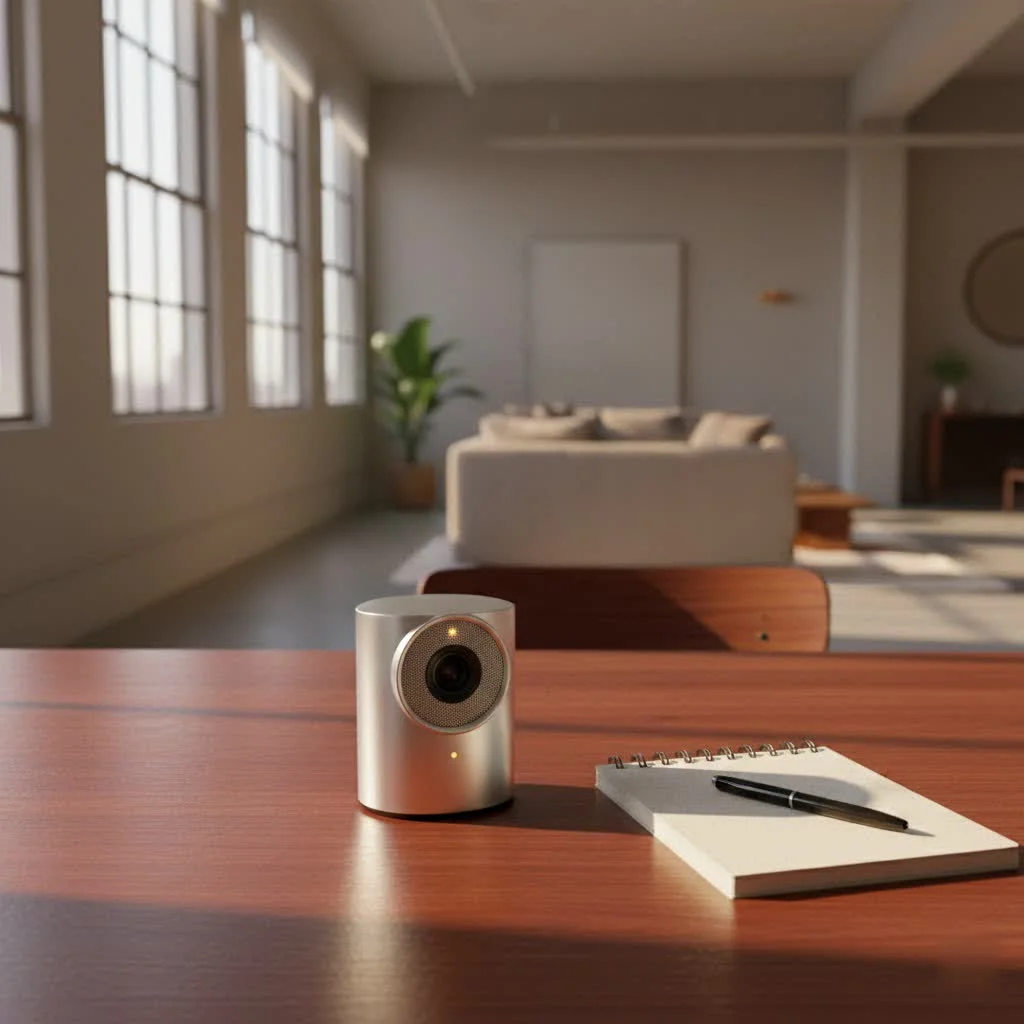
Selecting the right webcam is the first critical step towards achieving superior video quality. With countless options on the market, understanding key specifications will help you make an informed decision tailored to your specific needs. It’s not just about the most expensive model; it’s about the right fit for your environment and purpose. For browse all webcam reviews articles on this site.
What to Look For
When you’re shopping for a webcam, several features stand out as non-negotiable for a truly professional experience:
- Resolution: Aim for at least 1080p (Full HD) for sharp, clear images. For content creators and those demanding the absolute best, 4K webcams offer incredible detail. However, that many video conferencing apps limit streaming resolution to 1080p or even 720p to conserve bandwidth.
- Frame Rate (FPS): This dictates the smoothness of your video. A minimum of 30 frames per second (fps) is good for standard video calls, but 60fps is ideal for fluid motion, especially for gaming, streaming, or active presentations.
- Autofocus vs. Manual Focus: Autofocus can be convenient, ensuring you stay sharp even if you move slightly. However, some older autofocus systems can “hunt” for focus, causing distracting shifts. Manual focus, or a modern fixed-focus lens, offers consistent sharpness.
- Field of View (FOV): This determines how much of your background is captured. A narrower FOV (e.g., 78 degrees) is great for individual close-ups, while a wider FOV (90 degrees or more) is better for showing more of your environment or including multiple people.
- Low-Light Performance: Many webcams struggle in dim conditions, resulting in grainy footage. Look for models with larger sensors or advanced low-light correction to maintain clarity without heavy external lighting.
- Built-in Microphone: While some webcams include decent microphones, an external microphone almost always provides superior audio quality. Consider this a secondary feature.
- Privacy Shutter: A simple, physical shutter offers peace of mind by blocking the lens when not in use.
Top Webcam Recommendations
While technology evolves rapidly, some webcam models consistently deliver excellent performance. For high-end users, the Logitech MX Brio and Obsbot Tiny 2 stand out for their 4K capabilities and advanced features like AI tracking. For streamers, the Elgato Facecam MK.2 and Razer Kiyo Pro Ultra offer fantastic uncompressed video and professional-grade sensors. If you’re looking for great value and solid performance, the Logitech C920s Pro HD remains a reliable 1080p option. the “best” webcam is the one that best suits your individual needs and budget.
Optimizing Your Webcam Settings for Professional Quality
Even with a top-tier webcam, your video quality can be subpar without proper optimization. It’s often said that “lighting is everything,” and this holds true for your webcam setup. Beyond lighting, adjusting software settings and refining your environment can improve your presence dramatically.
Lighting is Everything
|
Our Picks for the Best Webcam in 2026
As an Amazon Associate I earn from qualifying purchases.
|
||
| Num | Product | Action |
|---|---|---|
| 1 | TRAUSI 1080P Webcam with Privacy Cover, Wide-Angle Lens, Noise Cancellation, Plug and Play USB Webcam for Laptop/PC/Desktop |

|
| 2 | EMEET 1080P Webcam with Microphone, C960 Web Cam, 2 Mics, 90° FOV, USB Type-A & A-to-C Adapter, Plug&Play Computer Camera for Online Calling, Zoom/Teams/Facetime, Switch 2 Camera Support, 2025 Version |
|
| 3 | Lenovo HD 1080p Webcam (300 FHD)- Black w/ 95° Wide Angle, 360° Rotation Pan & Tilt, Dual Microphones, Privacy Shutter |
|
| 4 | NIVEOLI Webcam 1080P with Microphone & Privacy Cover for PC/Laptop, USB Computer Camera Plug & Play with Auto Light Correction for Video Calls, Live Streaming Gaming & Online Meetings |
|
| 5 | AOC 4k Webcam for PC with Microphone, Computer Camera with Noise Cancellation, Privacy Cover, 99° FOV, Plug & Play USB Webcam for Streaming, Conferencing, Zoom, Skype, Facetime, Laptop, PC, Skype |
|
| 6 | Kemeiv 1080P Webcam Microphone and Physical Privacy Cover Computer Webcam, Noise-canceling Microphone, Automatic Light Compensation, Ultra-Wide-Angle Lens for Meetings/Courses/Streaming/Zoom/YouTube |
|
| 7 | EMEET C960 4K Webcam for PC, 4K UHD Sony Sensor, PDAF Auto Focus, Dual AI Noise-Cancelling Mics, Auto Light Correction, 73° FOV, Plug&Play Webcam w/Privacy Cover, Works w/Zoom/Teams/Skype/Google Meet |
|
| 8 | Gohero Full HD 1080P Video Webcam, Noise Cancellation, Privacy Cover, Wide-Angle Lens, Auto Light Correction, Plug & Play USB Webcam for Laptop, Desktop, PC, Mac, Zoom, Skype Pro Series |
|
| 9 | Logitech Brio 101 Full HD 1080p Webcam for Meetings, Streaming, Desktop, Laptop, PC - Built-in Mic, Shutter, Works with Zoom, Microsoft Teams, Nintendo Switch 2’s New GameChat Mode, USB-A,-Black |
|
| 10 | 1080P Full HD Webcam with Noise-Canceling Mic, Auto Light Correction, Privacy Cover and Wide Angle Lens, Plug & Play USB Camera for Laptop/Desktop/PC/Mac, Compatible with Zoom/Skype/Teams/Streaming |
|
Proper lighting is arguably the single most important factor for improving your webcam’s image quality. A well-lit face appears vibrant and clear, while poor lighting can make even the best webcam produce a grainy, dull, or silhouetted image.
- Harness Natural Light: Whenever possible, position yourself facing a window. Natural light is soft, even, and flattering. Avoid having a window behind you, as this will silhouette you and leave your face in shadow.
- Invest in Artificial Lighting: For consistent, controllable light, consider ring lights, softbox lights, or LED panels. A ring light provides even, shadow-reducing illumination directly in front of you. Softboxes diffuse light, creating a softer, more professional look. LED panels offer bright, adjustable light.
- Front-Facing Illumination: Always ensure your primary light source is in front of you, lighting your face directly. If lights are positioned behind you, your webcam will struggle to expose your face correctly, leading to a dark, unclear image.
- Balance Your Background: While you want your face to be the brightest element, a subtle backlight can help separate you from your background, adding depth to your video. Just ensure it’s not brighter than your main key light.
“Lighting sets the mood and clarity for any visual communication,” says Dr. Elara Vance, a renowned digital media specialist. “A simple ring light can transform a dull feed into a dynamic presentation, making you look more engaged and professional.”
Perfecting Your Position and Background
Your physical setup plays a huge role in how you’re perceived. Thoughtful positioning and a clean background convey professionalism and focus.
- Eye-Level Camera: Position your webcam at or slightly above eye level. This creates a natural, engaging angle. If your webcam is too low, it can result in an unflattering “up-the-nose” shot. Use a stand or stack of books if needed.
- Optimal Distance: Don’t sit too close or too far from your webcam. You want your head and shoulders to be clearly visible, centered in the frame. Too close can feel intrusive, while too far can make you appear small and disconnected.
- Clean and Uncluttered Background: A busy or messy background is distracting. Keep your background clean, simple, and professional. A plain wall, a bookshelf, or a few well-placed decorative items work well.
- Virtual Backgrounds and Green Screens: If your physical space isn’t ideal, virtual backgrounds can be a lifesaver. For the best results with virtual backgrounds, use a green screen. This allows your software to accurately separate you from your actual background, preventing blurry edges or artifacts.
Dive Into Software Settings
Most webcams come with dedicated software or allow adjustments through your operating system’s camera settings (e.g., Windows Camera app, Logitech Capture, OBS Studio). Learning to tweak these can unlock hidden potential.
- Brightness & Contrast: Adjust brightness so your face is well-lit but not overexposed. Contrast defines the difference between light and dark areas.
- White Balance: This corrects color casts to make whites appear truly white and skin tones natural. You can often choose presets like “Daylight” or “Indoor Lighting” or adjust manually.
- Exposure & Gain: Exposure controls the overall brightness of the image. Gain increases the sensitivity of the sensor, brightening the image but potentially introducing “noise” or grain. Find a balance to avoid overblown highlights or overly grainy video.
- Resolution & Frame Rate: Confirm your webcam is set to its highest supported resolution (e.g., 1080p) and the desired frame rate (30fps or 60fps) within your software.
- Sharpness & Saturation: Adjust sharpness to enhance detail, but avoid overdoing it, which can make your image look artificial. Saturation controls color intensity.
- Autofocus vs. Manual Focus (Software Control): If your webcam has autofocus, you might have the option to disable it and set manual focus. This can prevent focus “hunting” during a call.
improve your Audio
While the focus is often on video, clear audio is just as crucial for effective communication. A high-quality external microphone is almost always superior to a webcam’s built-in mic. USB microphones like the Blue Yeti or Audio-Technica AT2020 are excellent, accessible options. Position your microphone close to you, and always aim to minimize background noise in your environment.
Troubleshooting Common Webcam Problems Like a Pro
Even with the perfect setup, webcams can occasionally throw a curveball. From not being detected to freezing mid-call, these issues can be frustrating. Here’s how to approach common webcam problems with confidence.
Webcam Not Detected or Turning Off
This is a common headache, especially with new external webcams or after system updates.
- Check the Connection: For external webcams, ensure the USB cable is securely plugged into a functioning USB port. Try a different port, or even a different computer, to rule out a faulty port.
- Privacy Settings: Operating systems often have privacy settings that restrict camera access.
- Windows: Go to
Settings > Privacy & security > Cameraand ensure “Camera access” and “Let apps access your camera” are enabled. Also, verify that specific apps you want to use have permission. - macOS: Go to
System Settings > Privacy & Security > Cameraand grant access to the relevant applications.
- Windows: Go to
- Power Management: Sometimes, your computer’s power-saving features can disable USB devices, including your webcam. In Windows Device Manager, find your webcam under “Cameras” or “Imaging devices,” right-click, go to “Properties,” then “Power Management,” and uncheck “Allow the computer to turn off this device to save power.”
- Antivirus Software: Your antivirus or firewall might be blocking webcam access for security reasons. Check its settings and whitelist your webcam or the application trying to use it.
- Restart Your Computer: A simple reboot can often resolve temporary software glitches.
Dealing with Poor Quality
You’re getting video, but it’s blurry, dark, or flickering.
- Clean the Lens: This sounds basic, but a smudge or dust on the webcam lens can drastically reduce image clarity. Gently wipe it with a microfiber cloth.
- Adjust Lighting: As discussed, inadequate lighting is a prime culprit for dark or grainy video. Re-evaluate your light sources.
- Software Settings Review: Revisit your webcam’s software settings. Incorrect brightness, contrast, white balance, or exposure can lead to washed-out or too-dark images.
- Flickering: If your video flickers, it might be due to the refresh rate mismatch between your lights and your webcam’s capture rate. Look for a “flicker reduction” or “refresh rate” setting in your webcam software and switch between 50Hz and 60Hz.
- Resolution & Frame Rate Check: Ensure your webcam software and the application you’re using are configured for the highest possible resolution and frame rate.
Driver Dilemmas
Drivers are essential software that allows your operating system to communicate with your webcam. Issues here are a common cause of malfunction.
- Update Drivers: Outdated drivers can lead to compatibility issues, poor performance, or complete failure. Always check the webcam manufacturer’s website for the latest drivers specific to your model.
- Windows: Open Device Manager (search for it in the Start menu). Expand “Cameras” or “Imaging devices,” right-click your webcam, and select “Update driver.”
- Reinstall Drivers: If updating doesn’t work, corrupted drivers might be the issue. In Device Manager, right-click your webcam and choose “Uninstall device.” Then, restart your computer. Windows will usually reinstall a generic driver automatically, or you can manually install the latest driver from the manufacturer’s website.
- Check for Conflicting Software: Other applications that try to access your webcam can sometimes conflict with each other. Close any unnecessary programs running in the background.
Frequently Asked Questions
Q: How important is good lighting for a webcam?
A: Good lighting is critically important. It can make the difference between a grainy, dark, unprofessional image and a crisp, clear, and engaging video. Proper lighting helps your webcam sensor capture more detail and produce a much better image quality.
Q: Can I use my phone as a webcam?
A: Yes, absolutely! With various third-party apps like DroidCam, EpocCam, or Camo, you can easily turn your smartphone into a high-quality wireless webcam. Modern phone cameras often surpass dedicated webcams in image quality, offering a fantastic alternative.
Q: What resolution should my webcam be for professional use?
A: For most professional use cases, a 1080p (Full HD) webcam is perfectly adequate and recommended. While 4K webcams offer superior detail, many popular video conferencing platforms still downscale 4K feeds to 1080p or 720p to ensure stable connections.
Q: How often should I update my webcam drivers?
A: It’s good practice to check for webcam driver updates periodically, especially after a major operating system update or if you’re experiencing performance issues. Typically, installing updates directly from the webcam manufacturer’s website will provide the most stable and feature-rich drivers.
Q: What’s the best way to clean my webcam lens?
A: To clean your webcam lens safely and effectively, use a soft, dry microfiber cloth specifically designed for optics. Avoid using paper towels, tissues, or abrasive materials, as these can scratch the lens. If there’s stubborn grime, a lens cleaning solution designed for cameras can be used sparingly on the cloth.
Conclusion
Mastering your webcam is about more than just plugging it in; it’s an art that combines thoughtful hardware selection, meticulous environmental setup, and intelligent software optimization. By applying the insights shared here, from choosing the right webcam to fine-tuning its settings and troubleshooting common issues, you’re not just improving your video quality—you’re enhancing your entire digital presence. Take control of your visual narrative and connect with confidence. At Mundv, we are dedicated to empowering you with the knowledge to make your webcam work for you, ensuring every interaction is as impactful as possible. Go ahead, experiment with these tips, and share your newfound clarity with the world!
Frequently Asked Questions
How important is good lighting for a webcam?
Good lighting is critically important for webcam quality. It transforms a grainy, dark, unprofessional image into a crisp, clear, and engaging video. Proper illumination helps your webcam sensor capture more detail, significantly improving overall image quality.
Can I use my phone as a webcam?
Yes, you can absolutely use your smartphone as a high-quality wireless webcam. Third-party apps like DroidCam, EpocCam, or Camo facilitate this conversion. Modern phone cameras often surpass dedicated webcams in image quality, offering a fantastic alternative for video calls.
What resolution should my webcam be for professional use?
For most professional use cases, a 1080p (Full HD) webcam is perfectly adequate and recommended. While 4K webcams offer superior detail, many popular video conferencing platforms still downscale 4K feeds to 1080p or 720p to ensure stable connections and conserve bandwidth.
How often should I update my webcam drivers?
It is good practice to check for webcam driver updates periodically, especially after a major operating system update or if you experience performance issues. Installing updates directly from the webcam manufacturer's website will typically provide the most stable and feature-rich drivers for your device.
What's the best way to clean my webcam lens?
To clean your webcam lens safely and effectively, use a soft, dry microfiber cloth specifically designed for optics. Avoid using abrasive materials like paper towels or tissues, as these can scratch the lens. For stubborn grime, a lens cleaning solution designed for cameras can be applied sparingly to the cloth.
Optimize Your Webcam for Professional Quality
Learn how to optimize your webcam settings, lighting, and environment to achieve professional-grade video quality for all your virtual interactions.
Position yourself facing a window for natural light, or invest in artificial lighting like a ring light or softbox. Ensure your primary light source is in front of you to illuminate your face directly. Avoid backlighting, which can silhouette you.
Place your webcam at or slightly above eye level for a natural angle. Maintain an optimal distance so your head and shoulders are centered in the frame. Keep your background clean, simple, and uncluttered to avoid distractions.
Dive into your webcam's dedicated software or operating system camera settings. Adjust brightness, contrast, white balance, and exposure to achieve a balanced image. Confirm your resolution is set to 1080p or higher and your frame rate to 30fps or 60fps.
Prioritize clear audio by using a high-quality external microphone, such as a USB microphone like the Blue Yeti. Position the microphone close to you and actively minimize background noise in your environment. This ensures your voice is heard clearly during calls.
Get our weekly buyer guide
Practical specs, not advice. Unsubscribe anytime.
I tried optimizing my environment with better lighting as suggested, but my older webcam still struggles in low-light conditions. The video quality is okay for casual calls, but for important presentations, it’s just not cutting it. I guess I need to bite the bullet and get one of the newer models mentioned for better low-light performance.
This guide really helped me fine-tune my software settings. I thought my old webcam was just bad, but tweaking a few things made a huge improvement. I’m still considering an upgrade to a Logitech Brio for the 4K, but for now, my current setup is much more professional for my streaming.
I always thought a webcam was just a webcam, but this really opened my eyes to how much goes into achieving flawless video. I focused on positioning and it made a huge difference in how I appear on camera. My family video calls are so much more enjoyable now that I don’t look like I’m in a cave!
I used to struggle so much with blurry video during my work meetings, even with decent lighting. After reading about aiming for at least 1080p resolution, I upgraded to a new webcam and the difference is night and day. My colleagues have even commented on how much clearer I look now. Definitely worth investing in the right hardware!