In today’s hyper-connected world, broadcasting your message, sharing your passion, or connecting with your community has never been easier, thanks to the power of the Webcam Live Stream Online. Whether you’re a burgeoning content creator, a seasoned professional leading virtual workshops, or simply looking to share a glimpse into your world, live streaming with a webcam offers an unparalleled level of authenticity and immediate engagement. Forget complex setups; with the right insights, you can transform a simple webcam into a powerful broadcasting tool, captivating audiences and building your brand’s presence in the digital sphere.
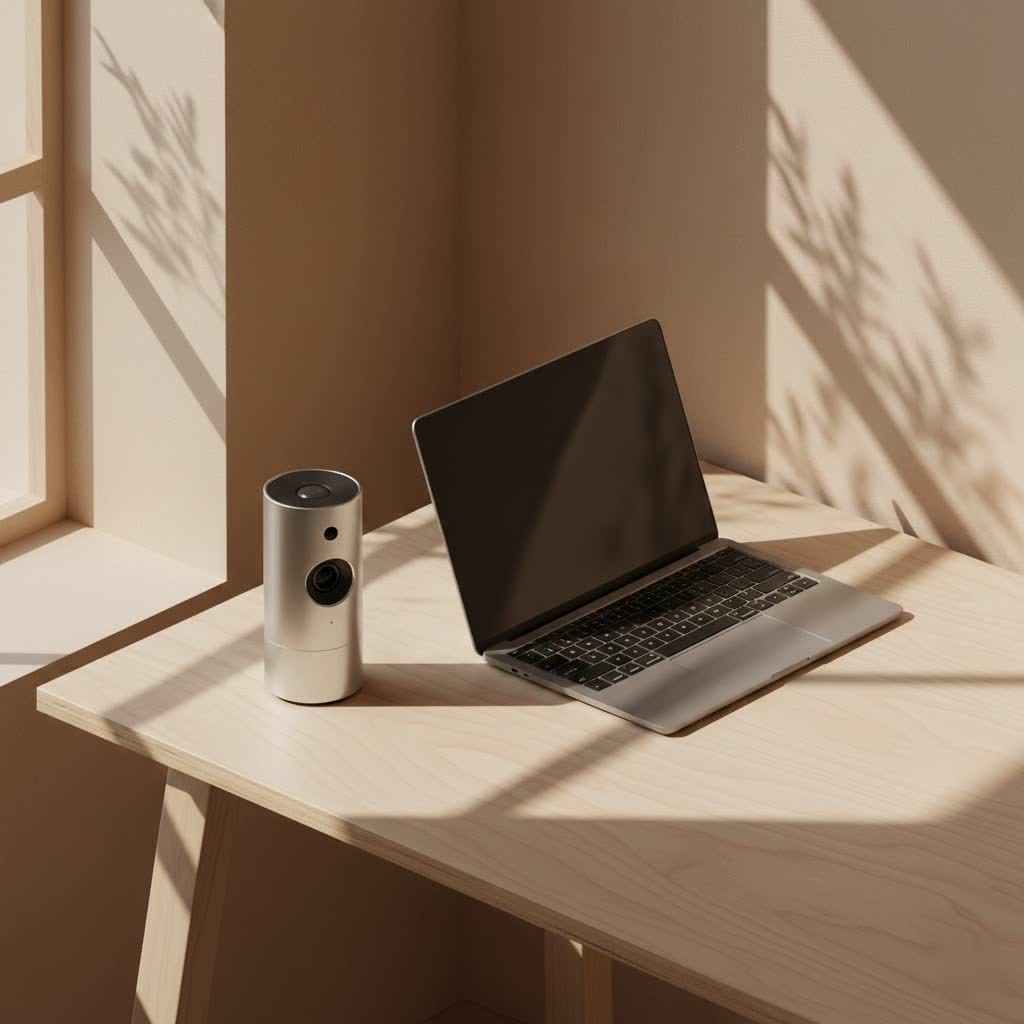
Why Embrace Webcam Live Stream Online?
The allure of live streaming lies in its raw, unedited nature, fostering genuine connections that pre-recorded content often struggles to match. For businesses, educators, and individual creators alike, a webcam live stream online isn’t just a trend; it’s a fundamental shift in how we communicate.
Live broadcasts offer real-time interaction, allowing viewers to ask questions, leave comments, and feel truly involved in the moment. This direct engagement builds a loyal audience and allows for instant feedback. Beyond just person-to-person interaction, webcams are used for everything from showcasing exotic animal habitats and tranquil cityscapes to providing secure educational feeds for schools and daycares. It’s a versatile medium, perfectly suited for sharing everything from your creative process to behind-the-scenes glimpses of your daily operations.
Choosing the Right Gear for Your Webcam Live Stream Online
While many modern computers come with built-in webcams, investing in external equipment can significantly elevate your stream quality. Think of your setup as an ecosystem where each component plays a vital role in delivering a polished, professional broadcast.
The Heart of Your Setup: The Webcam Itself
When selecting a webcam for your webcam live stream online, several factors come into play:
- Resolution and Frame Rate: For a crisp, clear image that keeps viewers glued, aim for at least 1080p resolution at 30 frames per second (fps). If you want smoother motion, especially for fast-paced content, 60fps is ideal. Many top-tier webcams now offer 4K resolution, which provides incredible detail, though it demands more from your internet connection and processing power.
- Low-Light Performance: Not all streaming happens in perfectly lit studios. A webcam with good low-light performance, often indicated by a larger sensor or aperture (lower f-number), will ensure you look great even in less-than-ideal lighting conditions.
- Autofocus vs. Fixed Focus: Autofocus can be convenient, especially if you move around. However, a fixed-focus lens set to your optimal distance can prevent annoying focus hunting during your stream, providing a consistently sharp image.
- Advanced Features: Some modern webcams, like the Insta360 Link or OBSBOT Tiny 2 Lite, incorporate AI-powered tracking that keeps you perfectly framed even if you move. Others offer adjustable fields of view, privacy shutters, or superior built-in microphones.
|
Our Picks for the Best Webcam in 2026
As an Amazon Associate I earn from qualifying purchases.
|
||
| Num | Product | Action |
|---|---|---|
| 1 | EMEET C960 4K Webcam for PC, 4K UHD Sony Sensor, PDAF Auto Focus, Dual AI Noise-Cancelling Mics, Auto Light Correction, 73° FOV, Plug&Play Webcam w/Privacy Cover, Works w/Zoom/Teams/Skype/Google Meet |

|
| 2 | NIVEOLI Webcam 1080P with Microphone & Privacy Cover for PC/Laptop, USB Computer Camera Plug & Play with Auto Light Correction for Video Calls, Live Streaming Gaming & Online Meetings |
|
| 3 | EMEET 1080P Webcam with Microphone, C960 Web Cam, 2 Mics, 90° FOV, USB Type-A & A-to-C Adapter, Plug&Play Computer Camera for Online Calling, Zoom/Teams/Facetime, Switch 2 Camera Support, 2025 Version |
|
| 4 | Kemeiv 1080P Webcam Microphone and Physical Privacy Cover Computer Webcam, Noise-canceling Microphone, Automatic Light Compensation, Ultra-Wide-Angle Lens for Meetings/Courses/Streaming/Zoom/YouTube |
|
| 5 | Gohero Full HD 1080P Video Webcam, Noise Cancellation, Privacy Cover, Wide-Angle Lens, Auto Light Correction, Plug & Play USB Webcam for Laptop, Desktop, PC, Mac, Zoom, Skype Pro Series |
|
| 6 | TRAUSI 1080P Webcam with Privacy Cover, Wide-Angle Lens, Noise Cancellation, Plug and Play USB Webcam for Laptop/PC/Desktop |
|
| 7 | Lenovo HD 1080p Webcam (300 FHD)- Black w/ 95° Wide Angle, 360° Rotation Pan & Tilt, Dual Microphones, Privacy Shutter |
|
| 8 | 1080P Full HD Webcam with Noise-Canceling Mic, Auto Light Correction, Privacy Cover and Wide Angle Lens, Plug & Play USB Camera for Laptop/Desktop/PC/Mac, Compatible with Zoom/Skype/Teams/Streaming |
|
| 9 | AOC 4k Webcam for PC with Microphone, Computer Camera with Noise Cancellation, Privacy Cover, 99° FOV, Plug & Play USB Webcam for Streaming, Conferencing, Zoom, Skype, Facetime, Laptop, PC, Skype |
|
| 10 | Logitech Brio 101 Full HD 1080p Webcam for Meetings, Streaming, Desktop, Laptop, PC - Built-in Mic, Shutter, Works with Zoom, Microsoft Teams, Nintendo Switch 2’s New GameChat Mode, USB-A,-Black |
|
For those just starting, reliable choices like the Logitech C920 offer excellent 1080p quality at an affordable price. If you’re looking to step up your game, the Logitech StreamCam provides smooth 1080p at 60fps, while high-end options like the Razer Kiyo Pro Ultra or Elgato Facecam MK.2 deliver exceptional image quality and advanced controls for serious streamers.
Audio Matters: Beyond the Built-in Mic
Audiences tolerate imperfect video more readily than poor audio. The microphone integrated into most webcams is typically basic. For a truly professional webcam live stream online, an external microphone is a must.
Consider options like:
- USB Microphones: Easy to use, plug-and-play, and offer significantly better sound than built-in mics. Brands like Blue Yeti or Rode NT-USB Mini are popular choices.
- Lavalier Microphones: Small, clip-on mics perfect for clear voice capture when you’re speaking directly to the camera.
- Condenser Microphones: Often used by professional podcasters and musicians, these offer superior sound quality but usually require an audio interface.
Position your microphone close to you, ideally within 6-12 inches, to capture your voice clearly and minimize background noise.
Lighting Up Your Scene
Good lighting is perhaps the most impactful upgrade you can make to your webcam live stream online setup, even more so than an expensive camera. Natural light from a window is often the best and cheapest option, but avoid direct sunlight, which can create harsh shadows.
For controlled lighting, consider:
- Ring Lights: These illuminate your face evenly, reducing shadows and adding a pleasant sparkle to your eyes.
- Softboxes: Provide a larger, softer light source, ideal for a more professional, diffused look.
- Key and Fill Lights: A classic photography setup using a main light (key) and a secondary, softer light (fill) to balance shadows.
Position your main light in front of you, slightly above eye level, to avoid unflattering shadows. Experiment to find what works best for your environment.
A Rock-Solid Internet Connection
Your internet connection is the lifeline of your webcam live stream online. A strong, stable upload speed is paramount. As Dr. Evelyn Reed, a renowned digital media specialist, often emphasizes, “A high-quality camera and perfect lighting are wasted if your audience is constantly battling buffering. Prioritize your upload speed.”
Generally, your upload speed should be at least double your chosen bitrate for the stream. For 1080p streaming at 30fps, you’ll want at least 5-8 Mbps upload. For 60fps or 4K, aim for 10-25 Mbps or higher.
- Wired (Ethernet) Connection: This is the gold standard for reliability, offering consistent speed and minimal disruptions.
- Wi-Fi: Convenient, but susceptible to interference and drops. Ensure you have a strong, stable signal, and consider using a Wi-Fi 6 router for better performance.
- 5G Wireless Internet: A viable option for mobile or remote streaming where wired connections aren’t available, but speeds can vary based on location and network congestion.
Always run a speed test before going live to confirm your connection’s stability.
Step-by-Step: Setting Up Your Webcam Live Stream Online
Getting your stream off the ground is a straightforward process once you have your equipment and internet sorted.
Selecting Your Platform and Software
First, choose where you want to broadcast your webcam live stream online:
- Online Video Platforms (OVPs): Services like Dacast or other dedicated streaming platforms offer advanced features for businesses, including white-label streaming, robust analytics, and global content delivery networks (CDNs).
- Social Platforms: YouTube Live, Twitch, Facebook Live, and Instagram Live are popular choices for reaching a broad audience, often offering direct webcam streaming without extra software.
- Streaming Software: For more control over your broadcast, free tools like OBS Studio or paid options like Streamlabs OBS allow you to combine multiple video/audio sources, add overlays, and manage complex scenes.
Connecting and Positioning Your Webcam
Most modern webcams are “plug-and-play.” Simply connect the USB cable from your webcam to an available USB port on your computer. Your operating system should automatically detect it. If not, you may need to install drivers from the manufacturer’s website.
Once connected, position your webcam strategically:
- Eye Level: Position the camera at or slightly above eye level to create a flattering angle and direct eye contact with your audience.
- Framing: Ensure you are well-framed in the shot, typically from the chest up, with enough headroom.
- Background: Keep your background clean, uncluttered, and professional. Good lighting will further enhance it.
Configuring Video and Audio Settings
Within your chosen streaming software or platform, you’ll need to configure your webcam and microphone:
- Select Device: Choose your external webcam as the video input device and your external microphone as the audio input.
- Resolution and FPS: Set these to match your webcam’s capabilities and your internet’s upload speed (e.g., 1080p at 30fps).
- Image Adjustments: Many webcams and software offer controls for exposure, white balance, contrast, and color correction. Take the time to tweak these settings to ensure you look natural and vibrant on screen. Disable auto-exposure for more consistent lighting.
- Audio Levels: Monitor your microphone levels to ensure your voice is clear and audible without peaking or distorting.
Creating Your Live Channel and Going Live
Before hitting that “Go Live” button, set up your stream details:
- Title and Description: Craft an engaging title and detailed description that accurately represent your webcam live stream online content and include relevant keywords.
- Privacy Settings: Choose between public, unlisted (shareable via link), or private.
- Thumbnail: Upload a compelling thumbnail image to attract viewers.
- Test, Test, Test: Always run a private test stream (or record a short segment) to check video quality, audio clarity, and internet stability. This allows you to catch and fix any issues before your audience joins.
Once you’re confident, click “Start Streaming,” and you’re officially live!
Optimizing Your Webcam Live Stream Online for Impact
Beyond the technical setup, truly successful live streaming involves strategy and engagement.
Engaging Your Audience
The interactive nature of a webcam live stream online is its biggest asset.
- Acknowledge Viewers: Greet people as they join and respond to comments and questions in real time.
- Call to Action: Encourage viewers to like, share, and subscribe, or direct them to relevant links.
- Polls and Q&A: Use interactive features to keep your audience involved and make them feel part of the conversation.
Branding Your Stream
Maintain a consistent look and feel for your broadcasts.
- Overlays: Use graphics, logos, and custom stream layouts to reinforce your brand identity.
- Intro/Outro: Short, branded intro and outro segments can give your stream a professional touch.
Common Hurdles and Quick Fixes
Even with the best preparation, you might encounter issues. Here are some quick troubleshooting tips for your webcam live stream online:
Blurry Video
- Check Focus: Ensure your webcam’s lens is clean and, if it has manual focus, that it’s correctly adjusted.
- Lighting: Inadequate lighting can make your video appear grainy or soft. Add more light.
- Resolution: Verify your streaming software is set to your desired resolution (e.g., 1080p).
- Internet Speed: Insufficient upload speed can force your platform to reduce video quality.
Audio Echo or Distortion
- Microphone Placement: Move your microphone closer to your mouth and away from speakers.
- Headphones: Wear headphones to prevent your microphone from picking up your computer’s audio.
- Volume Levels: Check both your input and output audio levels to prevent clipping or feedback.
Lag and Buffering
- Internet Connection: Ensure you’re on a wired connection if possible. Close other applications that might be consuming bandwidth.
- Bitrate Settings: Reduce your stream’s bitrate in your software. While this might slightly lower quality, it can prevent buffering.
- Server Location: If your streaming platform allows, select a server location closer to you.
Frequently Asked Questions (FAQ)
What’s the best resolution for a webcam live stream online?
For most content creators, 1080p at 30 or 60 frames per second (fps) offers an excellent balance of quality and performance, ensuring a clear and smooth picture for your audience without excessive bandwidth demands.
Do I need special software for webcam live streaming?
Not always! Many platforms like YouTube Live and Facebook Live allow you to stream directly from your browser using your webcam. However, for advanced features like overlays, multiple camera angles, or scene switching, dedicated streaming software like OBS Studio or Streamlabs OBS is highly recommended.
How important is lighting for a webcam live stream?
Lighting is incredibly important, often more so than the webcam itself. Good lighting can drastically improve your image quality, making you look sharper, more vibrant, and professional, even with a basic webcam. Aim for soft, even light in front of you.
Can I use my phone as a webcam for live streaming?
Yes, absolutely! Modern smartphones have excellent cameras, and with dedicated apps (like DroidCam or EpocCam) or certain streaming software, you can easily use your phone as a high-quality webcam for your webcam live stream online.
What upload speed is good for 1080p webcam streaming?
For a reliable 1080p webcam live stream online, you’ll ideally want an upload speed of at least 5-8 Mbps. This allows for your video bitrate and provides a buffer for a stable connection. Always aim for more if your internet plan allows.
How do I secure my webcam live stream online?
To secure your stream, use strong, unique passwords for your streaming accounts, enable two-factor authentication, and be mindful of what you share on screen. If you’re using a dedicated online video platform, look for features like password protection and geographic restrictions.
What’s the difference between a regular webcam and a “streaming” webcam?
While any webcam can technically be used for streaming, “streaming” webcams are specifically designed with features important for broadcasters, such as higher resolution (1080p or 4K), higher frame rates (60fps), better low-light performance, and sometimes advanced controls or AI tracking, offering a more professional webcam live stream online experience.
Ready to Go Live?
The world of webcam live stream online is an exciting frontier for connection and creativity. By understanding your equipment, optimizing your settings, and focusing on audience engagement, you can create a compelling broadcast that stands out. Don’t be afraid to experiment, learn from each session, and continuously refine your setup. The power to share your voice, your vision, and your expertise is literally at your fingertips. So, plug in, set up, and let your unique message resonate across the digital airwaves. Happy streaming!
