Mastering your webcam online experience is crucial for clear communication, collaboration, and content creation in today’s digital world. This involves ensuring optimal video and audio quality, understanding diverse applications from video conferencing to live streaming, and implementing robust privacy and security measures. An expert with over 15 years in webcam technology, I will guide you through optimizing every aspect of your online camera use, ensuring clarity, security, and seamless functionality.
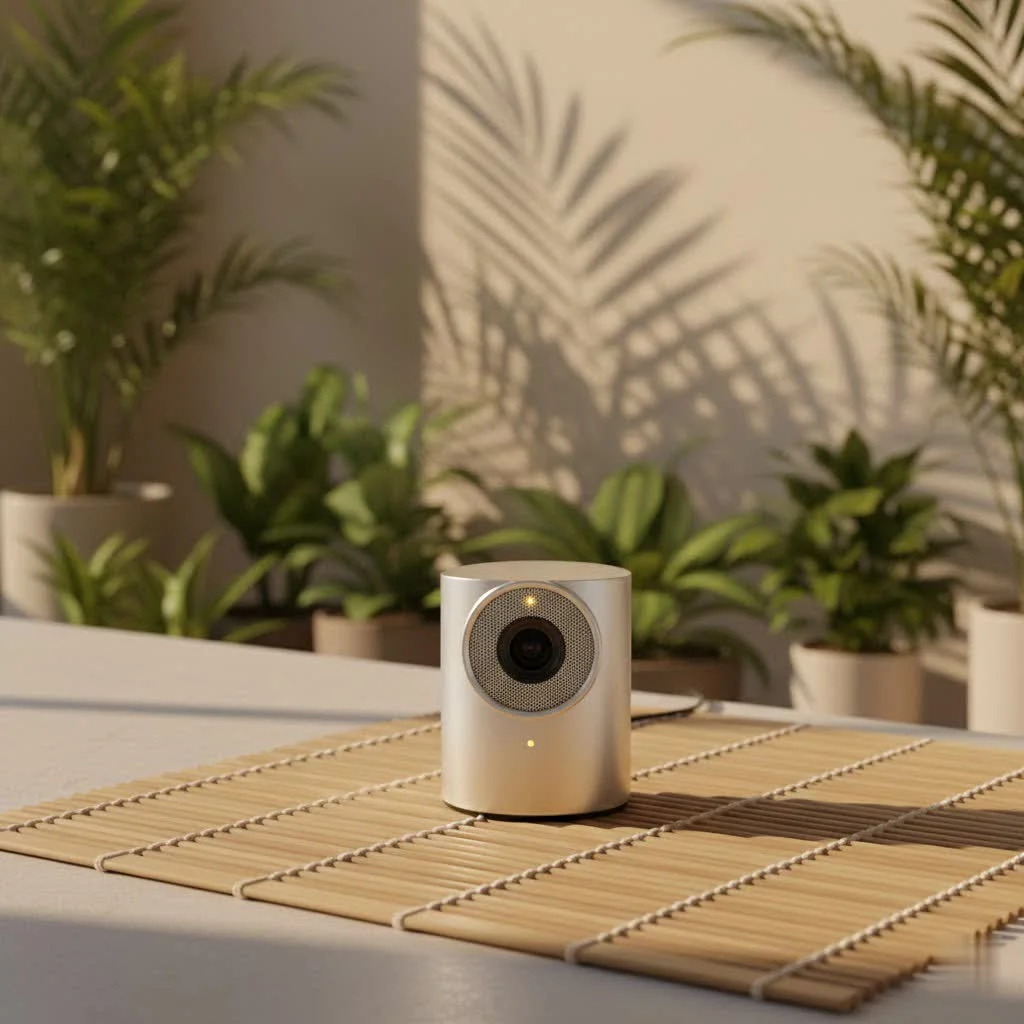
What Does “Webcam Online” Truly Mean?
When we talk about using a webcam online, we’re referring to a broad spectrum of activities where your digital camera interfaces with the internet to transmit live video and audio. This can range from a quick camera test to full-blown live broadcasts and everything in between. A webcam is a digital video camera designed to record or stream to a computer or computer network. Its primary purpose is to facilitate real-time visual communication over the internet, a function that has become a cornerstone of modern life. For shop curated webcam reviews on this site.
Historically, webcams started with simple, stationary shots streamed to websites in the early 90s. Fast forward to today, and these devices are integral to laptops, external USB peripherals, and even advanced virtual camera software that can transform other devices like DSLRs or smartphones into powerful online video tools. The essence of “webcam online” boils down to connecting your visual presence to the vast digital realm.
The Essentials: Testing Your Webcam Online
Before any important video call or streaming session, a crucial first step is to ensure your webcam online is functioning perfectly. A quick test can save you from embarrassing technical glitches and ensure you present your best self.
Why is an online webcam test crucial?
A webcam test verifies that your camera is properly connected, configured, and delivering the expected video and audio quality. It’s like a pre-flight check for your digital presence. Issues can range from simple permission blocks to driver conflicts, and catching them beforehand ensures a smooth experience.
How do I use online webcam testers?
Numerous browser-based tools offer free and immediate webcam testing. These tools typically require you to grant temporary browser access to your camera and microphone. Once access is granted, you’ll see your live video feed on the screen.
What should I check during a test?
- Video Quality: Assess the clarity, sharpness, and color accuracy. Look for blurriness, pixelation, or unnatural hues.
- Resolution: Confirm the resolution (e.g., 720p, 1080p, 4K) matches your expectations and the camera’s capabilities. Higher resolution means a clearer image.
- Frame Rate: Check for smooth motion. A low frame rate (frames per second, FPS) can result in choppy video.
- Microphone Integration: Many webcams have built-in microphones. Ensure it’s picking up your voice clearly and without excessive background noise or echo. Most online testers also include a microphone test.
- Lighting and Position: Use the test to adjust your lighting and camera angle. A well-lit face and a centered shot make a significant difference.
Troubleshooting common issues during online tests
|
Our Picks for the Best Webcam in 2026
As an Amazon Associate I earn from qualifying purchases.
|
||
| Num | Product | Action |
|---|---|---|
| 1 | TRAUSI 1080P Webcam with Privacy Cover, Wide-Angle Lens, Noise Cancellation, Plug and Play USB Webcam for Laptop/PC/Desktop |

|
| 2 | Gohero Full HD 1080P Video Webcam, Noise Cancellation, Privacy Cover, Wide-Angle Lens, Auto Light Correction, Plug & Play USB Webcam for Laptop, Desktop, PC, Mac, Zoom, Skype Pro Series |
|
| 3 | Kemeiv 1080P Webcam Microphone and Physical Privacy Cover Computer Webcam, Noise-canceling Microphone, Automatic Light Compensation, Ultra-Wide-Angle Lens for Meetings/Courses/Streaming/Zoom/YouTube |
|
| 4 | EMEET C960 4K Webcam for PC, 4K UHD Sony Sensor, PDAF Auto Focus, Dual AI Noise-Cancelling Mics, Auto Light Correction, 73° FOV, Plug&Play Webcam w/Privacy Cover, Works w/Zoom/Teams/Skype/Google Meet |
|
| 5 | Lenovo HD 1080p Webcam (300 FHD)- Black w/ 95° Wide Angle, 360° Rotation Pan & Tilt, Dual Microphones, Privacy Shutter |
|
| 6 | NIVEOLI Webcam 1080P with Microphone & Privacy Cover for PC/Laptop, USB Computer Camera Plug & Play with Auto Light Correction for Video Calls, Live Streaming Gaming & Online Meetings |
|
| 7 | Logitech Brio 101 Full HD 1080p Webcam for Meetings, Streaming, Desktop, Laptop, PC - Built-in Mic, Shutter, Works with Zoom, Microsoft Teams, Nintendo Switch 2’s New GameChat Mode, USB-A,-Black |
|
| 8 | EMEET 1080P Webcam with Microphone, C960 Web Cam, 2 Mics, 90° FOV, USB Type-A & A-to-C Adapter, Plug&Play Computer Camera for Online Calling, Zoom/Teams/Facetime, Switch 2 Camera Support, 2025 Version |
|
| 9 | 1080P Full HD Webcam with Noise-Canceling Mic, Auto Light Correction, Privacy Cover and Wide Angle Lens, Plug & Play USB Camera for Laptop/Desktop/PC/Mac, Compatible with Zoom/Skype/Teams/Streaming |
|
| 10 | AOC 4k Webcam for PC with Microphone, Computer Camera with Noise Cancellation, Privacy Cover, 99° FOV, Plug & Play USB Webcam for Streaming, Conferencing, Zoom, Skype, Facetime, Laptop, PC, Skype |
|
If your webcam isn’t working during an online test, here are some quick fixes:
- Check Browser Permissions: Your browser might be blocking camera access. Look for a camera icon in your URL bar and ensure permissions are granted.
- Ensure Camera is Connected and Enabled: For external webcams, check the USB connection. For built-in cameras, verify it’s not disabled in your operating system’s settings or device manager.
- Close Other Applications: Another program might be using your webcam, preventing the online tester from accessing it.
- Update Drivers: Outdated camera drivers can cause issues. Check your computer’s device manager for updates.
- Restart Your Browser/Computer: Sometimes a simple restart can resolve temporary glitches.
Beyond Basic Calls: Unleashing Your Webcam’s Online Potential
Your webcam online capabilities extend far beyond simple video chats. Modern webcams and accompanying software open up a world of possibilities for richer digital interactions.
Video Conferencing & Online Meetings
Platforms like Zoom, Microsoft Teams, and Google Meet have become staples of remote work and online education. Your webcam is the window through which you connect with colleagues, clients, and classmates.
- Enhancing Your Presence: Good lighting, a clean background (or a virtual one), and direct eye contact (looking at the camera, not just the screen) significantly improve your professional image.
- Audio is Key: While often overlooked, clear audio is half the communication equation. Ensure your webcam’s mic is working well, or consider an external microphone for superior sound.
- Virtual Backgrounds: Many conferencing tools and virtual webcam software like ManyCam allow you to blur, remove, or replace your background, adding privacy and professionalism without needing a physical green screen.
Live Streaming & Content Creation
For content creators, gamers, educators, and businesses, live streaming offers an unparalleled way to engage an audience in real-time. Your webcam online is your broadcast camera.
- Dedicated Streaming Webcams: These often offer higher resolutions (1080p, 4K), better low-light performance, and advanced features like autofocus and wider fields of view.
- Virtual Cameras (e.g., ManyCam): Software like ManyCam acts as a “virtual webcam,” allowing you to layer multiple video sources, add graphics, switch scenes, and apply effects before sending the feed to platforms like YouTube, Twitch, or Facebook Live. This turns your standard webcam into a mini-production studio.
- Using DSLRs/Mirrorless Cameras: For truly professional quality, many content creators leverage their dedicated cameras as webcams. This often involves specific software from the camera manufacturer or a capture card (like Elgato Cam Link) that converts the camera’s HDMI output into a USB webcam feed, offering superior image quality.
Online Education & Remote Learning
From K-12 to university lectures, webcams facilitate interactive virtual classrooms and one-on-one tutoring sessions, bridging geographical gaps and making learning accessible. Educators can use webcams to engage students with visual aids, demonstrations, and direct face-to-face interaction.
Creative Applications
Beyond formal uses, online webcam tools enable various creative endeavors:
- Online Video Recorders: Many websites allow you to record videos directly from your webcam in your browser, saving them to your computer or cloud storage. This is great for quick tutorials, video messages, or personal projects without needing dedicated software.
- Document Scanning: Some online tools can even use your webcam to scan physical documents, converting them into digital files.
- Augmented Reality (AR): Advanced webcams and AR applications can overlay computer-generated graphics onto your live video, creating engaging and interactive experiences.
Navigating the Digital Landscape: Webcam Online Privacy and Security
As integral as webcams are to our digital lives, they also introduce significant privacy and security considerations. The thought of someone gaining unauthorized access to your webcam online is unsettling, to say the least. This is known as “camfecting” or webcam hacking, and it’s a real threat that can lead to blackmail, identity theft, or simply a profound violation of privacy.
Understanding the Risks
Cybercriminals exploit software vulnerabilities, often through malware like Remote Access Trojans (RATs), to remotely activate webcams without the user’s knowledge or consent. This can happen even when the webcam indicator light isn’t on, or the webcam appears inactive. It’s a risk on any camera-equipped device, including laptops, phones, tablets, and smart TVs.
Essential Protection Measures
Safeguarding your webcam online privacy requires a multi-layered approach:
- Physical Covers or Unplugging: The simplest, most effective method. If your webcam is external, unplug it when not in use. For built-in cameras, use a physical webcam cover. Even tech leaders like Mark Zuckerberg use this method for a reason.
- Strong, Unique Passwords and Multi-Factor Authentication (MFA): Secure all your accounts, especially those linked to video conferencing or streaming platforms, with robust, unique passwords. Enable MFA wherever possible to add an extra layer of security.
- Keep Software Updated: Regularly update your operating system, web browser, webcam drivers, and all applications. Software updates often include critical security patches that close vulnerabilities hackers could exploit.
- Use Reputable Antivirus and Anti-Malware Software: Install and maintain robust security software. A good antivirus can detect and block malware, including RATs, that attempt to compromise your webcam. Some security suites even offer dedicated webcam protection features that notify you of unauthorized access attempts.
- Manage Browser Permissions: Be mindful of which websites you grant camera and microphone access to. Only allow access for trusted sites and revoke permissions for those you no longer use.
- Avoid Suspicious Links and Downloads: Malware is often transmitted through phishing links in emails or messages, or through downloads from untrusted sources. Exercise extreme caution.
- Enable Your Firewall: A firewall monitors network traffic and helps prevent unauthorized access to your computer, adding another layer of defense against webcam hacking.
“Your webcam is your digital window to the world, but it can also be a window for others into your private space,” says John P. Anderson, Mundv.com’s lead cybersecurity analyst. “Prioritizing proactive security measures isn’t just a recommendation; it’s a necessity in today’s interconnected environment.”
Choosing Your Online Companion: Built-in vs. External Webcams
When it comes to your webcam online experience, the choice between a built-in camera and an external one significantly impacts quality and flexibility.
Built-in Webcams
- Pros: Convenient, always available, no extra setup.
- Cons: Often lower resolution and poor low-light performance, limited adjustability, and can’t be upgraded separately from the laptop. They typically suffice for casual video calls but fall short for professional use.
External Webcams
- Pros: Superior image and audio quality (HD, 4K resolution, better sensors, often better microphones), greater flexibility (placement, angles), and dedicated features like autofocus and low-light correction. They are easily upgradeable.
- Cons: Additional cost, requires a USB port, and another device to carry if you’re mobile.
Key Features to Look For:
- Resolution: Aim for at least 1080p for clear video; 4K offers exceptional detail for streaming and content creation.
- Autofocus: Essential for maintaining a sharp image, especially if you move around.
- Low-Light Correction: Crucial for environments with less-than-ideal lighting, ensuring you don’t appear as a silhouette.
- Field of View (FOV): A wider FOV is good for showing more of your background or having multiple people in the frame; a narrower FOV is better for focusing on just your face.
- Microphone Quality: While external mics are always superior, a good built-in webcam mic can be adequate for many uses.
Conclusion
The power of a webcam online is undeniable, weaving itself into the fabric of our daily professional and personal lives. From quick chats with friends to global business presentations and expansive live streams, your webcam is your digital face to the world. By understanding its capabilities, diligently testing its performance, and, most importantly, rigorously protecting its privacy, you empower yourself to navigate the digital landscape with confidence and clarity.
Embrace the technological advancements, leverage the tools available, and always prioritize your digital security. The future of online interaction will only become more immersive and visually driven. By taking control of your webcam online experience today, you’re not just participating in the digital age; you’re mastering it. We encourage you to explore the myriad possibilities, experiment with different tools, and share your experiences as you optimize your online presence.
Troubleshoot Common Webcam Online Issues
Learn how to quickly resolve common problems when your webcam isn't working during an online test or video call.
Verify that your web browser has been granted permission to access your camera. Look for a camera icon in your URL bar and ensure permissions are enabled for the website you are using.
For external webcams, confirm the USB connection is secure. For built-in cameras, check your operating system's settings or device manager to ensure it is not disabled. A loose connection or disabled device is a frequent cause of issues.
Another program might be actively using your webcam, preventing the online tester or video conferencing tool from accessing it. Close any other applications that might be utilizing your camera or microphone.
Outdated camera drivers can cause functionality issues. Access your computer's device manager and check for available driver updates for your webcam. Keeping drivers current ensures optimal performance and compatibility.
Sometimes, a simple restart can resolve temporary software glitches or conflicts. Try restarting your web browser first, and if the issue persists, perform a full computer restart.
Get our weekly buyer guide
Practical specs, not advice. Unsubscribe anytime.

I’ve been struggling with blurry video calls for ages, especially for my remote work meetings. Following the tips here about optimizing video quality made a huge difference. My colleagues even commented on how much clearer I look now. It’s great to finally have a setup that doesn’t make me look like I’m calling from a potato.
As someone who does a lot of content creation, I found the section on diverse applications really helpful. I mostly use my webcam for gaming streams, but it gave me some ideas for other types of broadcasts. The audio quality tips were also a lifesaver; my mic sounds way less echo-y now.
This guide really helped me understand what ‘webcam online’ truly means beyond just plugging it in. I was having trouble with my camera test showing weird colors, and the troubleshooting steps for optimal video quality fixed it right up. My video conferencing experience is so much better now, very clear and professional.
Good info overall, especially the part about privacy and security measures. I tried adjusting my webcam settings as suggested, but I still get a bit of lag during live streaming. It’s better than before, but not perfectly seamless. Maybe my internet connection is more to blame than the camera itself.